
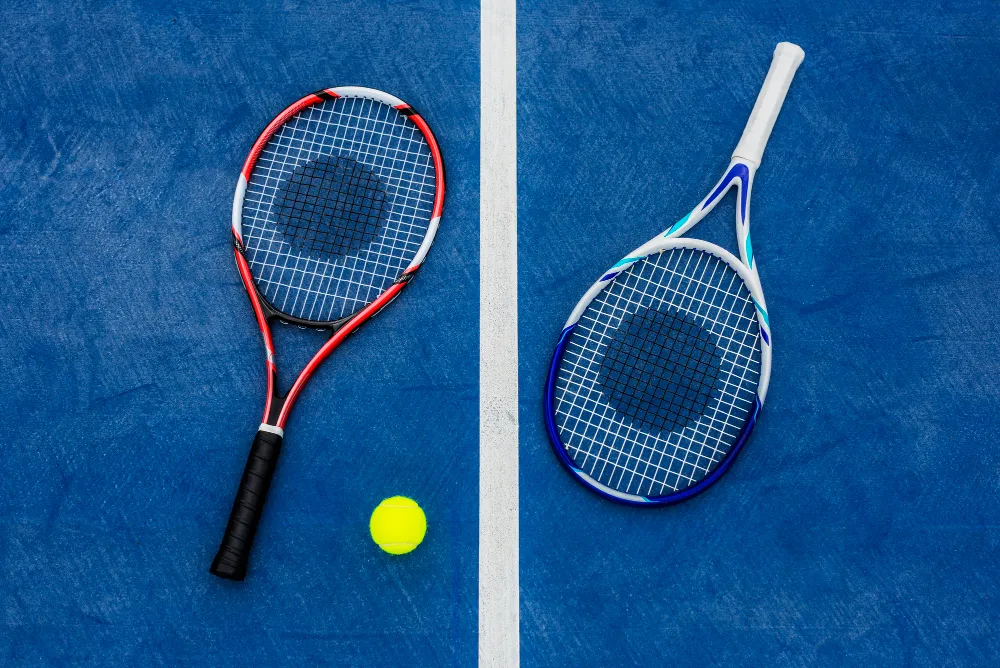
Choosing the right tennis racquet is one of the most important decisions you can make for your child’s tennis journey. While many parents focus on finding a popular brand or the latest model, the size, weight, and comfort of the racquet are far more important than the name printed on the frame.
A tennis racquet that is too long, too heavy, or difficult to control can slow your child’s progress and make learning the game more challenging. In some cases, using the wrong racquet may even lead to poor technique or unnecessary strain on growing muscles and joints.
The right racquet allows children to swing naturally, develop proper technique, and enjoy every lesson with greater confidence. As they grow stronger and more experienced, they can gradually move to larger and slightly heavier racquets that match their physical development and playing ability.
At Timeless Tennis, every young player is introduced to equipment that suits their age, height, strength, and skill level. This progressive approach helps children build confidence while learning the correct fundamentals from the very beginning.
In this guide, we will explain how to choose the right tennis racquet for your child, what factors matter most, and why proper racquet progression plays a major role in long term development.
Why The Right Tennis Racquet Matters
Children are constantly developing physically. Their muscles, coordination, and strength improve every year, which means their tennis equipment should evolve with them.
Using a racquet that is designed for an older or stronger player often makes it difficult for children to control their swings. They may compensate by developing poor habits that become harder to correct later.
A correctly sized racquet allows children to:
- Swing comfortably
- Develop proper technique
- Improve ball control
- Build confidence
- Move naturally around the court
- Reduce unnecessary strain on the body
Learning with the right equipment makes tennis more enjoyable while creating a strong technical foundation for future improvement.
Why Bigger Is Not Always Better
Some parents believe buying a larger racquet means their child will grow into it and use it for longer. While this may seem like a practical decision, it often creates more problems than benefits.
A racquet that is too large becomes harder to control. Children may struggle to prepare for shots, react quickly, or generate smooth swings.
This can lead to:
- Poor timing
- Incorrect grip changes
- Reduced confidence
- Difficulty making clean contact
- Slower skill development
- Fatigue during lessons
Rather than saving money, an oversized racquet may slow your child’s progress and reduce their enjoyment of the game.
Choosing the correct size from the beginning provides a much better learning experience.
Understanding Junior Tennis Racquet Sizes
Junior tennis racquets are available in several lengths to suit different stages of development.
As children grow taller and stronger, they gradually move to larger racquets that provide greater reach and power while remaining comfortable to handle.
Typical junior racquet sizes include:
- 17 inch racquets
- 19 inch racquets
- 21 inch racquets
- 23 inch racquets
- 25 inch racquets
- 26 inch racquets
Eventually, players transition to a full sized adult racquet once they have developed the necessary strength, technique, and physical maturity.
Rather than selecting a racquet based solely on age, coaches often consider height, coordination, and playing ability to determine the most suitable option.
Choosing The Correct Weight
Weight is just as important as racquet length.
A lighter racquet allows younger players to swing more freely while maintaining better control throughout each stroke.
If a racquet is too heavy, children may begin using their whole body to force the swing instead of learning proper technique.
This often affects:
- Swing speed
- Timing
- Balance
- Shot consistency
- Overall confidence
As children become stronger through regular coaching and practice, they naturally progress to slightly heavier racquets that provide additional stability and control.
The goal is always to match the racquet to the player’s current physical ability rather than choosing equipment that feels difficult to manage.
Comfort Should Always Come First
Comfort plays a major role in helping children enjoy tennis.
A racquet should feel natural in the hand without requiring excessive effort to hold or swing. If children feel comfortable using their racquet, they are more likely to develop relaxed, efficient strokes.
Parents should look for a racquet that allows their child to:
- Hold the grip comfortably
- Swing without struggling
- Maintain good balance
- Control the racquet with confidence
- Enjoy longer practice sessions without discomfort
When equipment feels comfortable, children can focus on learning the game instead of fighting against their racquet.
Why Manoeuvrability Is So Important
Young tennis players need to react quickly as they learn to track the ball and prepare for every shot.
A racquet that is easy to move allows children to position themselves correctly and develop faster reactions.
Good manoeuvrability helps players:
- Prepare earlier
- Improve timing
- Develop smoother swings
- Increase shot consistency
- Build confidence during rallies
Lighter junior racquets are specifically designed to support these skills while making the learning process much more enjoyable.
Progressing As Your Child Grows
One of the biggest advantages of junior tennis equipment is that it supports gradual progression.
Children do not stay with the same racquet throughout their development. Instead, they move through different sizes as their height, strength, and technical ability improve.
At Timeless Tennis, coaches monitor each player’s progress carefully before recommending a larger racquet.
Progression depends on several factors, including:
- Height
- Strength
- Coordination
- Swing technique
- Ball control
- Confidence
- Overall physical development
This ensures children continue learning with equipment that supports their growth without creating unnecessary challenges.
Common Mistakes Parents Should Avoid
Choosing a tennis racquet can feel overwhelming, especially for parents who are new to the sport. Fortunately, avoiding a few common mistakes can make the decision much easier.
Some of the most common mistakes include:
- Buying a racquet that is too large
- Choosing the heaviest model available
- Selecting equipment based only on appearance
- Ignoring the coach’s recommendations
- Expecting one racquet to last throughout childhood
Remember that the best racquet is the one that matches your child’s current needs rather than future growth.
The Importance Of Professional Guidance
Every child develops differently, which means there is no single racquet that suits everyone.
Experienced tennis coaches assess each player individually before recommending equipment. They observe movement, coordination, strength, and technique to ensure the racquet supports healthy development.
Professional guidance helps parents avoid unnecessary purchases while giving children the best possible start.
At Timeless Tennis, selecting the correct racquet is part of creating a positive learning experience that encourages confidence and long term improvement.
Looking Beyond The Brand Name
Many well known tennis brands produce excellent junior racquets, but the brand itself should never be the deciding factor.
A properly fitted racquet from any reputable manufacturer will usually perform better than an expensive model that is too large or too heavy.
Parents should focus on:
- Correct sizing
- Comfortable grip
- Suitable weight
- Easy manoeuvrability
- Coach recommendations
These factors have a much greater impact on a child’s development than choosing a racquet based on popularity alone.
Helping Your Child Build Confidence
The right racquet gives children the confidence to learn, practise, and improve.
When they can swing comfortably and control the ball, every lesson becomes more rewarding. They experience longer rallies, cleaner shots, and greater success, which motivates them to continue developing their skills.
Confidence grows through positive experiences, and suitable equipment plays an important role in creating those experiences.
Combined with supportive coaching and regular practice, the correct racquet helps children build both technical ability and self belief.
Investing In Long Term Development
Buying the correct tennis racquet is an investment in your child’s long term development rather than simply purchasing sports equipment.
As children progress through different stages of learning, the racquet should continue supporting proper technique, safe movement, and enjoyable play.
Choosing equipment that matches their current stage allows them to develop naturally without unnecessary frustration or physical strain.
With the right guidance and gradual progression, children can continue improving while enjoying every step of their tennis journey.
Final Thoughts
Choosing the right tennis racquet for your child is about much more than selecting the most expensive model or the most recognisable brand. The ideal racquet should match your child’s age, height, strength, and current level of development, allowing them to learn comfortably and confidently.
A racquet that is the correct size and weight makes it easier to develop proper technique, improve coordination, and enjoy every lesson. As your child grows stronger and gains experience, moving to a slightly larger and heavier racquet becomes a natural part of their tennis progression.
At Timeless Tennis, young players are introduced to equipment that supports their individual development from the very beginning. Combined with age appropriate coaching and regular practice, the right racquet helps children build confidence, stay motivated, and develop a lifelong love for tennis.