
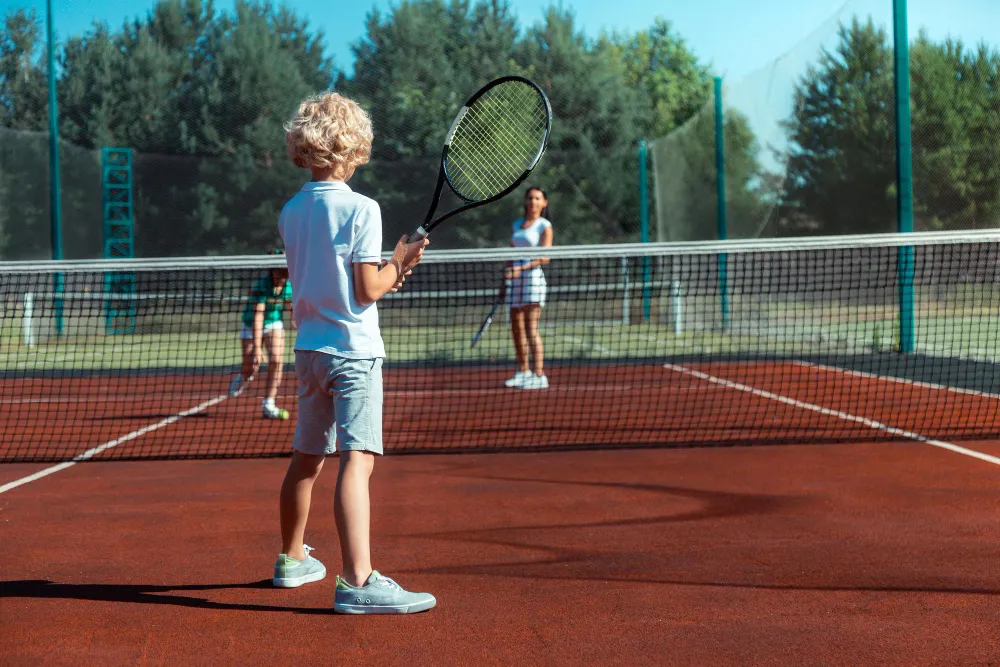
Starting tennis is an exciting milestone for any child. It marks the beginning of a journey filled with learning, personal growth, physical activity, and plenty of fun. While many children look forward to their first lesson, it is also completely normal for both parents and children to feel a little uncertain about what to expect.
Questions such as what to wear, what to bring, whether a child needs previous experience, or how they will fit into the group are common. Fortunately, a well-organised first tennis lesson is designed to make children feel comfortable from the moment they step onto the court.
At Timeless Tennis, first lessons are planned with beginners in mind. Coaches create a welcoming and supportive environment where children can relax, make new friends, and enjoy learning the basics of tennis at their own pace. There is no pressure to perform perfectly. Instead, the focus is on building confidence while introducing the game through fun and engaging activities.
This guide explains how to prepare for your child’s first tennis lesson, what they can expect during the session, and how parents can help create a positive experience that encourages a lifelong love of tennis.
Why The First Tennis Lesson Is Important
The first tennis lesson often shapes how a child feels about the sport. A positive introduction builds confidence and excitement, while an enjoyable experience makes children eager to return for future lessons.
The goal of the first lesson is not to create perfect tennis players. Instead, it is about helping children become familiar with the court, the equipment, and the basic movements involved in the game.
Coaches understand that every child learns differently. Some children immediately feel comfortable, while others may need a little more time to settle into their new environment.
By keeping the atmosphere relaxed and encouraging, children can enjoy learning without worrying about making mistakes.
What To Expect During The First Lesson
A first tennis lesson is carefully structured to introduce children to the sport simply and enjoyably.
Rather than focusing on complex techniques, coaches begin with activities that help children become comfortable on the court while developing basic movement and coordination.
During the lesson, children may learn:
- How to hold the racquet
- Basic court awareness
- Simple movement exercises
- Hand and eye coordination activities
- Fun ball control games
- Basic rallying skills
- Listening and following instructions
Many activities are presented as games, helping children learn naturally while staying engaged throughout the session.
The emphasis is always on enjoyment, participation, and building confidence.
Choosing Comfortable Clothing
Children do not need expensive tennis clothing for their first lesson.
The most important thing is that they wear comfortable clothing that allows them to move freely. Lightweight sports clothing is ideal because it helps children stay cool while running and playing.
Comfortable clothing allows children to:
- Move easily
- Run comfortably
- Stretch without restriction
- Stay focused on learning
- Enjoy the lesson without discomfort
Parents should also consider the weather and dress children appropriately for outdoor conditions.
Wearing The Right Footwear
Supportive sports shoes are one of the most important items for a tennis lesson.
Proper athletic shoes provide grip, comfort, and stability while helping children move safely around the court.
Shoes designed for running or general sports are usually suitable for beginners, provided they offer good support and non marking soles where required.
Avoid footwear such as sandals, boots, or casual shoes that may increase the risk of slipping or discomfort.
Good footwear helps children move confidently while reducing the chance of minor injuries.
Bringing The Right Equipment
One concern many parents have is whether they need to purchase tennis equipment before the first lesson.
At Timeless Tennis, beginner friendly equipment is used to match each child’s age and ability. Younger players often use smaller racquets along with red, orange, or green tennis balls that make learning much easier.
If your child already owns a correctly sized racquet, they are welcome to bring it. If not, coaches can often provide guidance on suitable equipment before you invest in purchasing one.
Other useful items to bring include:
- A water bottle
- A small towel
- Sunscreen for outdoor lessons
- A hat on sunny days
- Healthy snacks if appropriate after the lesson
Keeping children hydrated and comfortable helps them stay focused throughout the session.
Arriving A Little Early
Arriving ten to fifteen minutes before the lesson begins allows children to settle in without feeling rushed.
Extra time gives families the opportunity to:
- Meet the coach
- Become familiar with the tennis court
- Watch other players if lessons are already taking place
- Ask any questions
- Help children feel more relaxed
Children who have time to adjust to their surroundings often begin the lesson feeling more confident and comfortable.
Helping Your Child Feel Relaxed
It is perfectly normal for children to feel nervous before trying something new.
Parents play an important role in helping children approach their first lesson with excitement rather than pressure.
Simple encouragement can make a significant difference.
You can help by:
- Speaking positively about the lesson
- Reminding your child that everyone starts as a beginner
- Encouraging them to have fun
- Focusing on learning instead of performance
- Avoiding unrealistic expectations
Children quickly pick up on their parents’ attitudes. A calm and positive approach helps them feel safe and confident.
Every Child Learns At Their Own Pace
One of the most important things to remember is that every child develops differently.
Some children will quickly learn to rally, while others may spend more time becoming comfortable with the racquet and ball.
Neither approach is better than the other.
Experienced coaches adapt lessons to suit individual learning styles and abilities, ensuring every child experiences success regardless of their starting point.
Comparing children to others can reduce confidence, while celebrating personal progress encourages long term motivation.
The Importance Of Age Appropriate Coaching
At Timeless Tennis, beginner lessons are designed specifically for children’s developmental stages.
Rather than using adult equipment or advanced drills, coaches select activities that match each child’s physical ability and level of experience.
This includes:
- Smaller racquets
- Softer tennis balls
- Age appropriate courts
- Simple skill building games
- Positive encouragement
- Gradual progression
This approach makes learning more enjoyable while helping children develop strong technical foundations from the beginning.
Supporting Your Child After The Lesson
The first tennis lesson does not end when children leave the court.
Parents can continue supporting their child’s development by discussing the experience in a positive way.
Instead of asking whether they won or performed well, consider questions such as:
- What was your favourite activity?
- What did you enjoy learning?
- What new skill did you try today?
- Are you excited for your next lesson?
These conversations help children focus on enjoyment and personal improvement rather than perfection.
Positive reinforcement encourages children to continue developing confidence and enthusiasm for tennis.
Building Confidence Through Positive Experiences
Confidence grows when children experience success in manageable steps.
A well planned first lesson introduces achievable challenges that allow children to feel proud of their progress.
Every successful catch, swing, rally, or movement exercise helps children believe in their ability to improve.
As confidence increases, children become more willing to try new skills and embrace future challenges.
This positive mindset supports both tennis development and personal growth.
Creating A Lifelong Love For Tennis
The first lesson is only the beginning of a much larger journey.
With regular coaching, encouraging parents, and enjoyable practice sessions, children gradually develop stronger skills while building friendships and healthy habits.
Tennis teaches valuable qualities including:
- Confidence
- Discipline
- Respect
- Resilience
- Focus
- Problem solving
- Sportsmanship
These lessons extend far beyond the tennis court and continue benefiting children throughout their lives.
When the first experience is positive, children are much more likely to develop a lasting passion for the sport.
Why Parents Choose Timeless Tennis
Parents choose Timeless Tennis because every child is welcomed into a friendly, supportive, and encouraging environment. Coaches understand that beginners need patience, guidance, and positive reinforcement rather than pressure.
Lessons are carefully structured to match each child’s age and ability, using suitable equipment and engaging activities that make learning enjoyable from the very first session. The focus is on building confidence, developing fundamental skills, and helping every child feel successful regardless of previous experience.
This personalised approach allows children to progress at their own pace while enjoying every step of their tennis journey.
Final Thoughts
Preparing for your child’s first tennis lesson does not have to be complicated. With comfortable clothing, supportive footwear, suitable equipment, and a positive attitude, your child will have everything they need to enjoy their introduction to the sport.
At Timeless Tennis, every first lesson is designed to create a welcoming experience where children can learn through fun, age appropriate activities in a relaxed environment. Rather than focusing on perfection, coaches encourage confidence, participation, and gradual improvement, allowing every child to feel comfortable from the moment they step onto the court.
By supporting your child with encouragement and celebrating their effort instead of their results, you help create a positive foundation that can lead to years of enjoyment, personal growth, and a lifelong love of tennis.